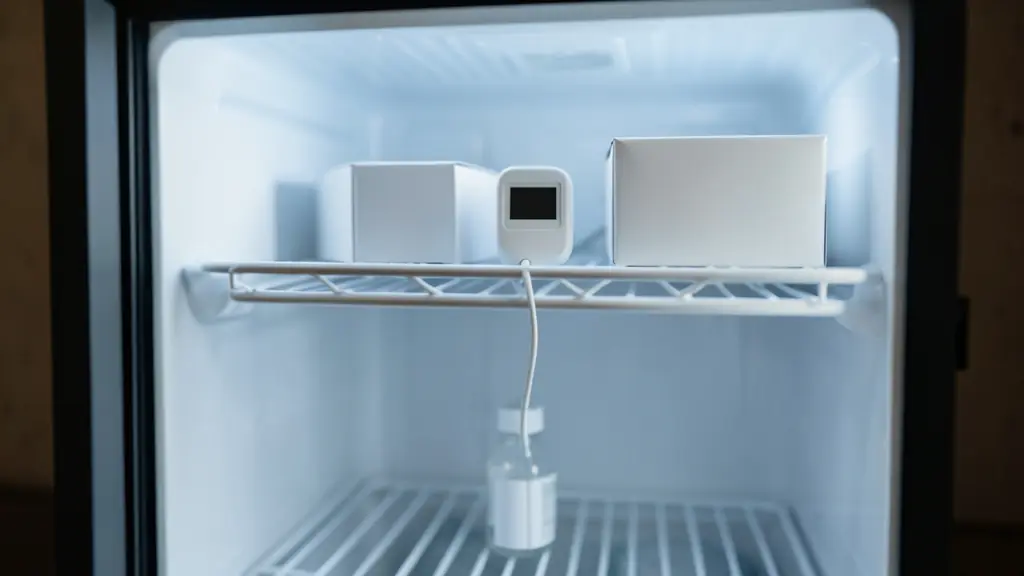
A temperature data logger is a small recorder that takes a reading at a set interval and stores it, day and night, so you have a full record rather than two readings a day. Some you download to a computer; others send readings to the cloud and alarm by SMS, email or app when something goes out of range. Pharmacies, clinics, cold stores, reefer trucks, food factories, server rooms and labs rely on them. This page covers the kinds and what to look for. Send one request and logger suppliers quote you directly.
The kinds of data logger
- USB loggers: plug into a PC to download the record, often as a PDF report. Cheap and simple, but you only see a problem after the fact.
- Bluetooth loggers: read on a phone app when you are nearby.
- Wi-Fi and GSM loggers: send readings to the cloud and alarm when out of range or when power fails. GSM suits sites without reliable Wi-Fi.
- Single use loggers: go in a shipment and are read at the other end.
- Multi-channel loggers: take several thermocouples or probes for ovens, kilns and process work.
What to compare
Check the range and accuracy on the data sheet, the logging interval you can set, the memory (how long it records before it fills), and the battery life at that interval. Decide between an internal sensor and an external probe: a probe in a glycol bottle reads closer to the stock than the air does. For cloud loggers, ask about the subscription, how many alarm contacts it allows, what happens during a network outage and how long data is kept. Ask whether a calibration certificate comes with each logger. Look at the software too: whether reports show the minimum, maximum and alarm events clearly, and whether records can be locked so they stand up in an audit.
Cold chain, GDP and audits
Medicines and vaccines are stored and moved under good distribution practice (GDP), and clinics keep vaccines at 2 to 8 °C. Food premises record temperatures for their HACCP plans. In both cases auditors want a continuous record, a reaction to every alarm and calibrated loggers. Loggers are also what a temperature mapping study uses, placed in a grid to find the hot and cold spots of a room. For single fridges, see fridge and freezer thermometers.
Setting up so the alarms help
Set alarm limits a little inside your real limits so you can act before stock is lost, with a short delay so a door opening does not set it off. Send alarms to more than one person, decide who responds after hours, and test the alarm now and then, for example by putting the probe briefly in a cup of warm water. Keep spare batteries, and have loggers calibrated at the interval your quality system sets.
What to put in your request
- What you are monitoring and how many points
- USB, Bluetooth, Wi-Fi or GSM
- Internal sensor or external probe
- Who should get alarms and how
- Whether calibration certificates are needed
Temperature Data Loggers for industry, food, health, labs and homes
- Factories, mines and plants: multi-channel loggers on ovens, kilns, curing rooms and heat treatment
- Kitchens, butcheries and food factories: fridge, freezer and cold room loggers for HACCP records in kitchens and factories
- Hospitals, clinics and pharmacies: vaccine and medicine fridge loggers with alarms in clinics, pharmacies and wards
- Electricians, HVAC and refrigeration technicians: loggers left by refrigeration technicians to prove a repair holds temperature
- Labs, schools and universities: loggers on incubators, freezers, stability chambers and sample stores
- Cold stores and distributors: cold room, warehouse and reefer truck loggers and single use shipment loggers
- Farms, poultry houses and packhouses: loggers in packhouse cold stores, poultry houses and fruit containers
- Households and families: a Wi-Fi sensor on the chest freezer to warn after a power cut
- Property managers, inspectors and security: loggers in server rooms, plant rooms and shared cold rooms in buildings
Frequently asked questions
Do you sell data loggers yourselves?
Will a Wi-Fi logger still work during load shedding?
How often should a logger take a reading?
Do data loggers need calibration?
Temperature Data Loggers by province and city
- Johannesburg
- Pretoria
- Centurion
- Midrand
- Sandton
- Randburg
- Roodepoort
- Krugersdorp
- Randfontein
- Germiston
- Boksburg
- Benoni
- Kempton Park
- Alberton
- Vanderbijlpark
- Vereeniging
- Durban
- Pinetown
- Pietermaritzburg
- Richards Bay
- Newcastle
- Ladysmith
- Gqeberha (Port Elizabeth)
- East London
- Kariega (Uitenhage)
- Mthatha
- Cape Town
- Bellville
- Paarl
- Stellenbosch
- George
- Worcester
- eMalahleni (Witbank)
- Middelburg
- Secunda
- Mbombela (Nelspruit)
- Rustenburg
- Brits
- Klerksdorp
- Potchefstroom
- Mahikeng
- Polokwane
- Tzaneen
- Kimberley
- Upington
- Bloemfontein
- Welkom
- Sasolburg