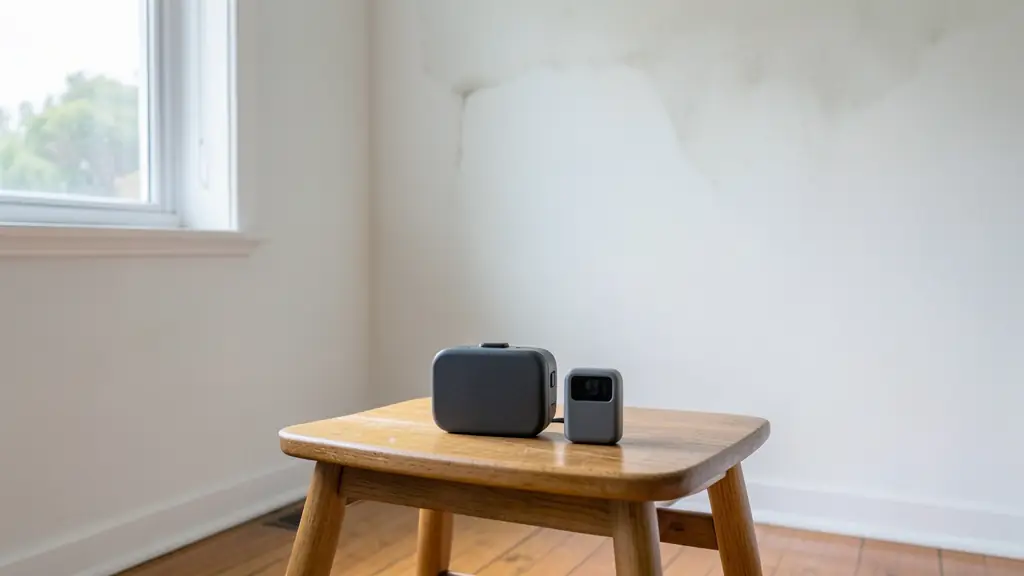
Water in a wall, a ceiling or a screed changes the temperature of the surface, often by only a degree or two, and a good thermal camera can see it. A thermal imaging camera for building inspection helps an inspector find damp and roof leaks, leaking hot water and underfloor heating pipes, missing ceiling insulation and draughts around windows and doors, without breaking anything first. It is used for pre-purchase home inspections, insurance claims, body corporates and leak detection. Send one request and independent inspectors and leak detection companies in your area quote you directly.
What a thermal camera can find in a building
A thermal camera shows patterns of heat on surfaces. In a building that can reveal:
- damp patches in walls and ceilings, and the path of a roof leak after rain
- leaking hot water pipes and geyser feeds in walls and under floors
- the run of underfloor heating pipes, and cold spots where they fail
- gaps in ceiling insulation, and air leaks around frames and downlights
- blocked gutters, wet flat roofs and an overheating geyser or plug point
It does not see through walls. It sees the surface and reads what is happening behind it from the pattern.
Why the conditions on the day matter
Thermal imaging needs a temperature difference to work with. A leak hunt goes best when the house is warm and the outside cool, after rain, or with hot water running through the pipes being traced. On a mild day with the windows open, damp can look like nothing at all. Shiny tiles, glass and metal reflect heat and fool the picture. Good inspectors plan the visit around these conditions and may ask you to run the heating or the hot tap beforehand.
Confirming what the picture shows
A cool patch on a wall might be damp, or it might be a draught, a cold water pipe or a reflection. Inspectors confirm suspected wet spots with a moisture meter, and may use pressure tests or acoustic listening to pinpoint a pipe leak before anyone breaks tiles. Expect the report to show a thermal picture and a normal photo of each finding, what they think it is, how sure they are and what they recommend: a plumber, a roofer or more investigation. Treat a thermal picture alone as a lead, not proof.
Inspections for buyers, owners and insurers
Buyers use a thermal scan as part of a pre-purchase inspection to spot hidden damp and roof problems. Owners and body corporates use it to trace a leak into a neighbour's unit or to plan roof repairs. Insurers and loss adjusters use it to find where water came from. If you would rather look yourself first, you can hire a thermal camera for a day, or compare thermal cameras to buy. For damp in a room, a hygrometer tracks the humidity over time.
What to put in your request
- The type of property and roughly how big it is
- What you have noticed and where: stains, damp, mould
- Whether hot water, cold water or the roof is suspected
- Whether there is underfloor heating or a solar geyser
- Whether the report is for a sale, a claim or repairs
Thermal Building Inspections and Leak Detection for industry, food, health, labs and homes
- Factories, mines and plants: flat roofs, cold store panels and warehouse insulation scanned for leaks and heat loss
- Kitchens, butcheries and food factories: cold room walls and ceilings scanned for failed insulation and ice build-up
- Hospitals, clinics and pharmacies: clinic and care home roofs and walls checked for damp after the rains
- Electricians, HVAC and refrigeration technicians: plumbers and roofers using a thermal scan to place their repair first time
- Labs, schools and universities: archive rooms and labs checked for hidden damp that spoils samples and records
- Cold stores and distributors: insulated panels, doors and seals on cold rooms checked for heat getting in
- Farms, poultry houses and packhouses: farmhouse roofs, dairy buildings and packhouse ceilings checked for leaks
- Households and families: a leak hunt for a rising water bill, a damp wall or a stain after rain
- Property managers, inspectors and security: pre-purchase scans, body corporate leak tracing and insurance claims
Frequently asked questions
Can a thermal camera detect a water leak?
Will the inspector need to break anything?
Can a thermal inspection help with an insurance claim?
Do you do building inspections yourselves?
Thermal Building Inspections and Leak Detection by province and city
- Johannesburg
- Pretoria
- Centurion
- Midrand
- Sandton
- Randburg
- Roodepoort
- Krugersdorp
- Randfontein
- Germiston
- Boksburg
- Benoni
- Kempton Park
- Alberton
- Vanderbijlpark
- Vereeniging
- Durban
- Pinetown
- Pietermaritzburg
- Richards Bay
- Newcastle
- Ladysmith
- Gqeberha (Port Elizabeth)
- East London
- Kariega (Uitenhage)
- Mthatha
- Cape Town
- Bellville
- Paarl
- Stellenbosch
- George
- Worcester
- eMalahleni (Witbank)
- Middelburg
- Secunda
- Mbombela (Nelspruit)
- Rustenburg
- Brits
- Klerksdorp
- Potchefstroom
- Mahikeng
- Polokwane
- Tzaneen
- Kimberley
- Upington
- Bloemfontein
- Welkom
- Sasolburg