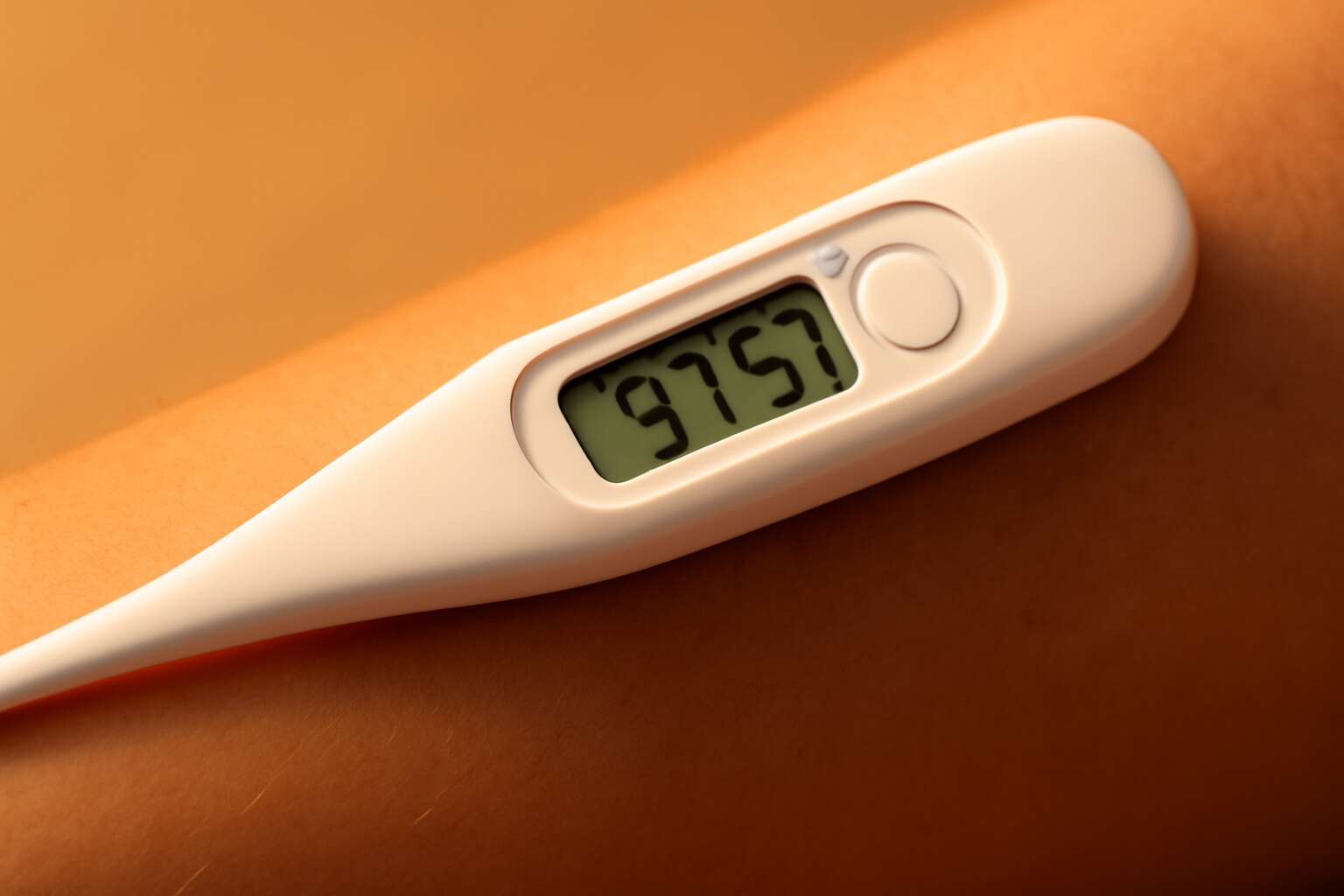
Comprehensive guide to thermometer usage and body temperature interpretation
Understanding body temperature and health
“Temperature is a compass for health,” a clinician once said. In South Africa, when the air feels ordinary yet the body hums with warmth, a reliable thermometer body temperature reading becomes a trusted guide through the fever’s fog!
Understanding readings from a thermometer means recognizing variation by site and time of day. Oral, tympanic, axillary, and forehead measurements each translate the body’s heat differently. Generally, morning readings lean cooler and evenings carry a subtle rise, so context matters as much as the number.
Consider these factors when reading thermometer readings for clarity and consistency.
- Measurement site and its impact on accuracy
- Recent activity, meals, or hydration that can shift readings
- Symptom context—overall well-being, fatigue, or chills
Interpretation blends data with context; a stable baseline in healthy times makes spikes meaningful. Health narratives reveal how temperature tells a story of balance and change!
Types of thermometers and when to use them
In South Africa’s clinics and homes, a degree can tilt a diagnosis. “Temperature is a compass for health,” a clinician once said, and I’ve learned this rings true for thermometer body temperature readings. This comprehensive guide to thermometer usage and body temperature interpretation looks beyond the number to context, meaning, and care. The right instrument, chosen with purpose, offers a window into how balance shifts with activity, climate, and time of day!
Thermometers: types and uses
- Digital thermometer: quick, versatile for oral or under-tongue measurements; user-friendly at home.
- Tympanic infrared thermometer: fast ear checks, handy in busy settings but may vary with technique.
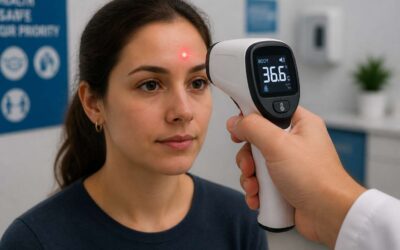
- Temporal artery thermometer: forehead scan offering rapid, non-contact readings for children and adults.
- Glass mercury thermometer: traditional accuracy when used with care; watch for break risk and calibration changes.
Each option has strengths, tailored to patient needs and settings in South Africa.
How to take accurate readings
A single degree can tilt a diagnosis, and in South Africa that truth travels from clinic to kitchen. A striking signal emerges not only from the number on the display but from how that number was reached. The reading becomes a compass when one checks context—activity, climate, and time of day all whisper into the reading!
This comprehensive guide helps interpret readings by foregrounding meaning over digits. Consider the environment and device quirks; technique, even when hurried, can sway results. The following factors shape accuracy:
- Device type and placement
- Ambient temperature and recent activity
- Time of day and recent fluid intake
Care and calibration keep readings honest. Regular checks, clean handling, and awareness of potential calibration shifts help ensure that thermometer body temperature readings guide, rather than mislead, clinicians and caregivers alike.
Common scenarios and temperature interpretations
A 0.5°C swing can flip a diagnosis—and in South Africa, that whisper travels from clinic to kitchen with astonishing speed! This is the heartbeat of a comprehensive guide to thermometer usage and body temperature interpretation, where the story is in how the number arrived. The thermometer body temperature is a living signal, shaped by moment, motion, and atmosphere.
Look beyond the digits; I find the reading becomes meaningful when you account for activity, climate, and time of day. The common scenarios crystallize into temperature interpretations that respect context and patient, not click of a dial alone.
- Post-exertion readings may rise briefly; interpret within the day.
- Morning lows are common; compare with later readings.
- Recent hot drinks or warm rooms can skew results; wait briefly.
With care and calibration, the temperature reading becomes a compass you can trust, guiding caregivers and clinicians through the delicate choreography of health.
Care, storage, and safety of thermometers
In South Africa, a single thermometer body temperature reading travels from clinic to kitchen in minutes, turning a small fever into a shared concern. “The reading is not a number, it’s a signal,” clinicians remind us, underscoring what accuracy and care can mean at every doorstep.
Care here is practical and measured: store thermometers in a dry, cool place, away from direct sun, and follow manufacturer guidance on maintenance. Digital models benefit from fresh batteries and a gentle check after any impact; other designs require respectful handling and proper disposal.
- Routine cleaning with approved disinfectants is recommended by manufacturers
- Store in a protective case to protect the device and keep it out of reach from curious hands
- Calibration should follow manufacturer guidelines to maintain reading integrity
When kept with discipline, the thermometer body temperature becomes a trustworthy tool for families and clinics, quietly guiding decisions without drama.


0 Comments