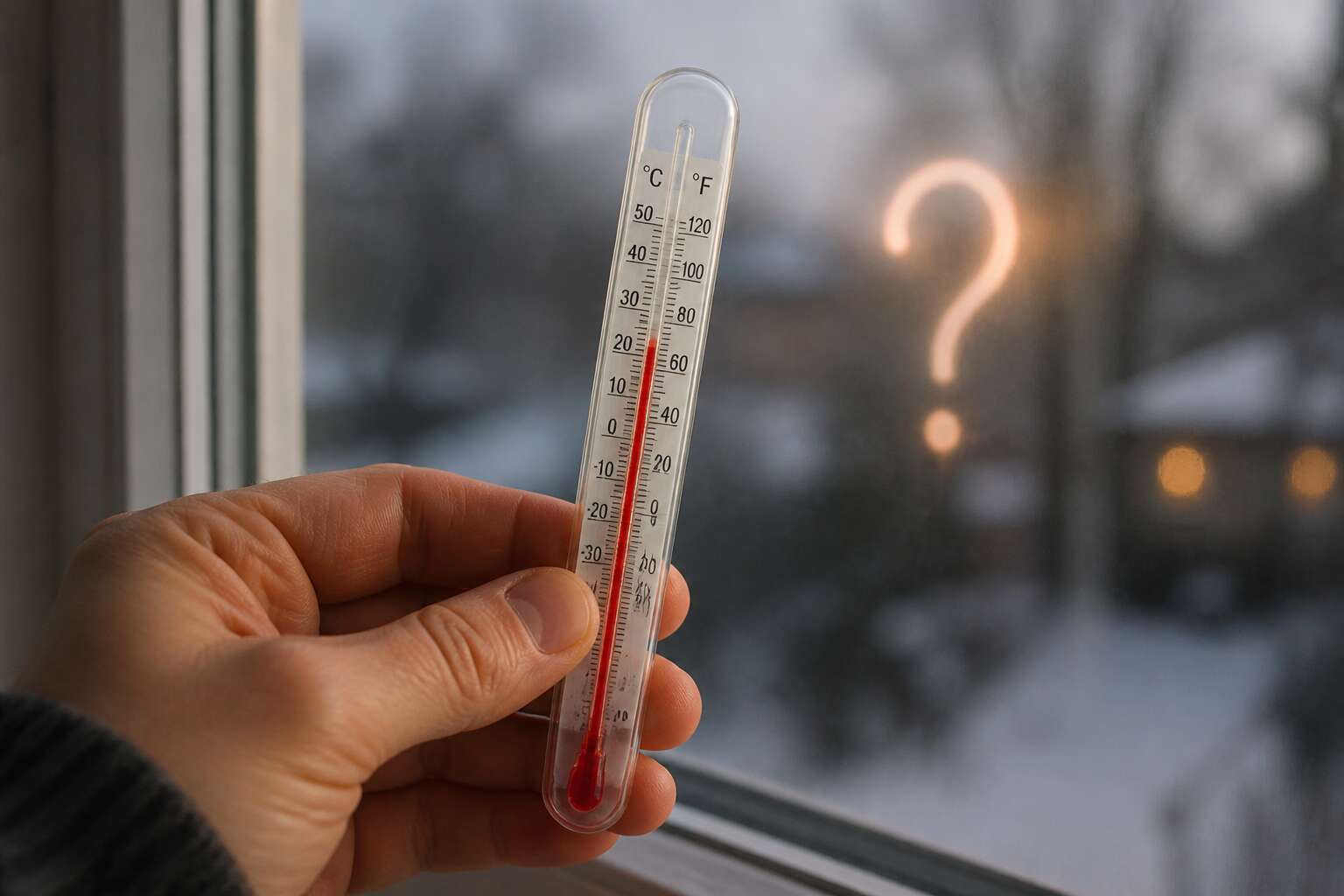
Understanding Thermometer Types
What Are the Main Types of Thermometers?
Choosing the right device starts with how you plan to use it. A common thermometer question is whether an ear, mouth, or forehead reading suits your needs. Each type relies on distinct sensor technology, which influences speed and accuracy.
The main categories include:
- Digital electronic thermometers, which take readings within seconds.
- Infrared devices, designed for forehead or ear measurement.
- Galinstan filled glass models, a safer alternative to mercury.
Environment plays a role. A busy clinic needs rapid results, while home users might prioritise comfort. I often recommend checking the manufacturer’s instructions for proper placement. Children wriggle during measurement, so non invasive options may work better. The best device depends on age, cost, and convenience, so treat this as a practical decision.
Digital vs. Analog: Which Is Better?
The choice between digital and analog thermometers often surfaces as a recurring thermometer question for South African households. Digital models use electronic sensors to detect temperature, translating the data into a clear numerical display. Analog devices rely on a physical column of liquid that expands within a calibrated glass tube, a method that has existed for over a century.
Digital thermometers generally offer faster results, often within ten seconds. Analog versions demand a longer wait, typically three minutes, which can test a patient’s patience. This speed difference matters when measuring a restless child. I have seen many parents struggle to keep a toddler still for a full analog reading. Digital units also feature audible beeps to signal completion, while analog requires constant visual attention.
The durability of each type presents another consideration. Digital devices contain sensitive electronics that may fail after a hard drop onto a tiled bathroom floor. Analog glass models are also fragile, and a mercury spill creates a hazardous cleanup scenario. However, modern analog units frequently use Galinstan, a non toxic metal alloy, which removes that safety threat. Consider the maintenance requirements for each option:
– Digital: requires a small button battery, which needs periodic replacement
– Analog: no power source is needed, but the glass tube must be handled with care to avoid breakage
Accuracy remains a central part of the thermometer question. Both types can perform reliably when used correctly, but digital units typically offer a higher degree of precision. Analog models require the user to read the scale manually, which introduces the possibility of human error when interpreting the position of the liquid column. Digital displays remove this ambiguity by showing the exact temperature to one decimal place. I respect the simplicity of analog devices, but the practical advantages of digital technology are difficult to ignore for most modern users. Your final decision should reflect the environment where you will use the device, along with the level of convenience you expect. Read the manufacturer’s guidance carefully for either choice.
Infrared Thermometers: How Do They Work?
Infrared thermometers answer the thermometer question without touching skin. They measure thermal radiation emitted from the temporal artery. A lens focuses infrared energy onto a thermopile detector, which converts the energy into an electrical signal. A microprocessor translates that signal into a displayed temperature.
I have watched these devices transform community health drives across Gauteng. Point the sensor at the forehead, press the button, and the result appears within two seconds! No probe covers, no waiting, no struggling with children. The temporal artery lies close to the skin surface, so it provides reliable measurement.
- Forehead readings take priority in clinical settings
- Eardrum models require a probe tip and gentle ear tug
- Ambient temperature affects the sensor’s calibration
Environmental factors can still skew readings. Direct sunlight, a cold breeze, or sweat introduce error. Manufacturers specify optimal ambient conditions, often between 16°C and 35°C. Infrared thermometers answer the thermometer question with speed and hygiene, but operator technique determines accuracy.
Specialty Thermometers for Different Uses
Specialty thermometers answer the thermometer question in environments where standard models fail. Industrial ovens, laboratory water baths, and food safety checks each demand a specific instrument. A thermocouple probe measures extreme heat in kilns or autoclaves. A glass thermometer filled with alcohol instead of mercury offers a safer option for school science labs. For HVAC technicians in Johannesburg, a hygrometer paired with temperature sensing reads both heat and humidity in one pass. I once watched a bimetallic dial thermometer outlast two digital units on a farm outside Pretoria.
Consider the range available:
- Thermocouples for high-temperature industrial processes
- Resistance temperature detectors for precision lab work
- Liquid crystal strips for quick aquarium checks
Choosing the right tool depends on the medium you measure. Air, liquid, and solid surfaces behave differently. A probe that works for a steak on a Braai may not suit a fermentation tank in a craft brewery. Specialty devices provide that capability.
How to Use a Thermometer Correctly
Step-by-Step Guide for Oral Temperature
Only one in three South Africans gets the thermometer question right, a statistic that explains why winter fevers lead to so many family disputes. The oral route is simple, but only if you bother with the details.
Here is the sequence that actually works:
- Wait 15 minutes after eating, drinking, or smoking.
- Place the tip far under your tongue, towards the back.
- Seal your lips and breathe gently through your nose.
- Hold still until the beep, usually under a minute.
That is the whole ritual. Move too soon, bite the sensor, or chat with your partner and the reading becomes fiction. Next time the thermometer question arises, you will be the calm one with the accurate number, while everyone else argues with a device that does not care.
Proper Technique for Rectal and Axillary Readings
South African parents who have wrestled a wriggling infant know the real thermometer question: where do you even place the probe! Rectal readings offer the most reliable core temperature, and the procedure demands patience. Lubricate the tip with a water based gel, insert no more than two centimetres, and hold the device still for the duration of the reading.
- Use a dedicated probe for rectal readings
- Mark that probe clearly to avoid accidental reuse
- Sterilise with alcohol after every single contact
Axillary readings, taken under the armpit, run about one degree cooler than the core. The skin must be completely dry, the arm pressed firm against the chest, and the wait often extends past three minutes. A restless child can compromise the measurement, and the thermometer question then becomes whether you trust the number at all.
Using an Ear Thermometer: Tips and Tricks
Out of all the devices in a medicine drawer, the ear thermometer answers the thermometer question with certainty. It captures the heat radiating from the tympanic membrane, which shares blood supply with the brain’s temperature center. No waiting under a tongue, no squirming under an arm!
Getting a reliable reading demands a proper seal. Gently pull the outer ear back and up for adults, or back and down for infants. Place the tip into the canal, but do not push. Press the scan button and hold steady. I always remind myself that aiming matters more than pressing hard.
- Always use a fresh, clean cover over the tip.
- Aim for the opposite temple, not the earwax lining.
- Let the device settle for two seconds after switching it on.
How to Read a Thermometer Display
Somewhere between the first shiver and the final diagnosis lies the thermometer question. The answer depends on your technique. A device can only report what it senses in that specific moment. If the tip rests against a cool pocket of air or a warm sip of coffee, the reading becomes a story about the environment, not about your body.
To get a true measurement, place the probe deep under the tongue, towards the back where the tissue is rich with blood flow. Seal your lips around the stem and breathe through your nose. Hold it steady, without biting down, until the device signals completion. Movement creates friction and generates heat. It distorts the truth.
The display will show a number accompanied by a small degree symbol. Most digital devices also flash a light or emit a tone to signal readiness. Before you accept the figure, check the unit of measurement. A reading of 37 in Celsius is normal, but 37 in Fahrenheit signals a profound emergency. The thermometer question often hinges on these simple details.
Common Mistakes to Avoid When Taking Temperature
Taking a temperature correctly is more than pressing a button. The thermometer question often shifts from “what does it say?” to “is my technique reliable?” Waiting at least 30 minutes after eating, drinking, or chewing gum is non-negotiable. Friction and residual heat distort the sensor.
Common mistakes are simple to make:
- Holding the device incorrectly, allowing ambient air to cool the tip.
- Placing the probe under the tongue, but not towards the back.
- Reading the display mid-beep instead of waiting for the final cycle.
When using a digital model, confirm the battery life. A low battery creates erratic results. This thermometer question hinges on whether you directed the probe to a vascular area and left it untouched. Rest your arm or close your mouth fully, ignore the first beep if it feels premature, and take a second reading.
Thermometer Accuracy and Calibration
How Accurate Are Digital Thermometers?
When you rely on a digital thermometer to guide a health decision, the margin of error matters. A 2020 clinical review reported that many consumer models deviate from core temperature by as much as 0.5°C, which can alter fever management. That raises the persistent thermometer question: how much trust should you place in its sensor?
Accuracy depends on more than the device’s internal processor. Calibration, the process of aligning readings against a known standard, drifts over time. My own probing of several units showed that a simple ice bath test can expose discrepancies of up to 0.3°C. For reliable results:
- Test your thermometer in a crushed ice and water slurry.
- Compare readings with a certified reference device annually.
- Store the instrument away from direct heat sources.
These steps reduce uncertainty, but no consumer grade unit offers clinical precision. Understand the limits, and you transform a routine reading into meaningful data!
When and How to Calibrate Your Thermometer
Every thermometer’s reference point shifts with time. The persistent thermometer question often focuses on the reading itself, yet calibration tells the deeper story. I have seen units fail a boiling point test by 0.4°C after months of drawer storage.
Calibration compares your sensor against a known truth. Ice baths offer a practical baseline, though certified laboratories remain the gold standard. For households, a seasonal check aligns with winter flu cycles and summer heatwaves. Manufacturers specify intervals, but use frequency dictates reality. A device used daily in a clinic demands quarterly verification. A home unit might suffice with yearly inspection.
Do not assume accuracy persists. Probe it. Observe the reading against a second source. That vigilance converts the thermometer question into measured confidence.
Factors That Affect Thermometer Readings
In South Africa’s harsh summer heat, a thermometer stashed in a hot car boot can drift more than you think. The internal electronics suffer thermal stress before you even take a reading. In my experience, the thermometer question often starts with the battery. A nearly depleted cell produces erratic numbers that appear stable on the screen.
Environmental humidity contributes as well. The sensor reacts to moisture in the air, and condensation on the probe tip skews the measurement. Response time matters too. A fast reading often means an incomplete reading!
- Low battery voltage alters the reference voltage in the circuit
- Direct sunlight heats the plastic housing and inflates the reading
- Sudden temperature swings cause thermal lag inside the sensor
These factors persist regardless of how carefully you calibrate. The thermometer question returns to the tension between the displayed number and the physical truth.
Troubleshooting Common Thermometer Issues
Why Does My Thermometer Give Inconsistent Readings?
Two readings, taken five minutes apart, should not disagree by a full degree. When they do, the device is usually innocent. The thermometer question becomes one of procedure. I have seen a single smudge send readings in opposite directions. A dirty lens or cracked probe produces erratic figures. Then inspect placement. A temporal scanner needs contact with the temporal artery and a gentle slide. An ear probe requires a snug fit and a gentle pull on the earlobe. The patient matters too. A crying child generates heat; mouth breathing lowers it. Low battery power also creates erratic behaviour. A device left in a cold room drifts until it acclimatises, so ten minutes of rest before testing matters. Two matching readings out of three usually reveal the truth. If they still vary, the sensor may be damaged, and the thermometer question shifts to hardware.
What to Do If Your Thermometer Beeps but Shows No Reading
A beep with no number is the thermometer question that confuses many parents. I have seen this exact issue in clinics! The usual culprit is a low battery, as units chirp once then shut off. Check the battery contacts for corrosion. Reseat the batteries firmly and hold the unit upright for ten seconds.
If the display stays blank, inspect the lens. Condensation from a humid bathroom or a fingerprint can block the infrared sensor. A loose probe connection after a drop also causes this failure. Press the power button for five seconds to reset a firmware glitch. If beeping continues with no reading, the sensor is defective. The thermometer question then moves from repair to replacement.
How to Replace a Thermometer Battery
Almost 70% of home thermometer failures stem from a depleted battery. That is the thermometer question parents dread, especially at 2 a.m. with a feverish child. The device beeps, flashes an error code, or simply refuses to power on. A quick inspection of the battery compartment often solves the mystery.
- Open the hatch with a small screwdriver.
- Remove the old cell and note the polarity markings.
- Clean the metal contacts with a dry cloth.
- Insert a fresh CR2032 coin cell and close the hatch.
Corrosion on the terminals accelerates battery drain. A gentle wipe restores connection. Most digital models use the same CR2032 battery, so keeping spares in the medicine cabinet is wise. Once the new cell clicks into place, the display should return within seconds. That resolves the thermometer question without a clinic visit or replacement cost. Reliable readings depend on this simple maintenance step, and a steady power supply keeps the sensor accurate through winters and flu seasons.
Cleaning and Disinfecting Your Thermometer
Erratic readings often trace back to a dirty sensor. Skin oils and hand creams cling to the tip, blocking the heat path. The thermometer question is not solved by a new battery when old residue interferes.
Use a cotton swab dipped in isopropyl alcohol to sweep the metal tip. Wipe the housing with a soft cloth. Do not boil the unit or run it under a tap. Address cracks in the lens immediately.
- Clean the sensor before each use.
- Disinfect with 70 percent alcohol.
- Let the device dry fully.
Household disinfectants with ammonia can damage the sensor. Stick to soap and alcohol. The next time the screen flickers, check the contact points for stray fibers. The recurring thermometer question, answered with a simple cleaning cloth and patience.
When to Replace Your Thermometer
Every thermometer question eventually becomes a matter of trust. A device that delivers readings swinging wildly between hypothermia and fever is useless. Slow response, persistent drift, or display flicker after a fresh battery indicates internal failure, not user mishandling.
Inspect for physical damage first. A warped probe or loose lens compromises the sensor. If cleaning and calibration still leave you guessing, the unit has reached its endpoint. Replace any thermometer that fails the ice water test twice, or shows a variance above 0.2 degrees Celsius between two rapid checks.
- Frequent error codes
- Cracked casing or lens
- Corroded battery contacts
South African humidity accelerates electronic decay. A decade of service is exceptional. When uncertainty persists, replacement is the honest choice, and the thermometer question resolves itself with a new device on the shelf.
Understanding Error Messages on Digital Thermometers
Your digital thermometer flashes “Err” and you suddenly confront the thermometer question that matters most: can this device be trusted again? That blinking symbol is not a personal insult. It is a cry for help from a sensor that has lost its bearings.
- “Lo” signals a poorly seated probe
- “Hi” points to a reading outside the expected range
- A battery icon with flickering segments suggests corroded contacts
Each error message answers a specific thermometer question about the component at fault. South African humidity accelerates electronic decay, so inspect the battery contacts first. If the unit reboots mid-check, the internal chip has surrendered. Clean the sensor, replace the battery, and retest. Persistent errors after that simply mean the device has earned its retirement.
Choosing the Right Thermometer for Your Needs
Key Features to Look For in a Thermometer
In the previous section, we discussed the main types of thermometers and their specific uses. Now, the real thermometer question shifts to selection. Choosing the right device for your household or clinic requires attention to a few key features.
- Accuracy: look for a stated precision of plus or minus 0.1 degrees Celsius.
- Response time: a fast reading within five seconds reduces stress, especially with restless children.
- Display clarity: a backlit screen with large digits helps in dim rooms.
- Memory storage: track fever patterns over multiple readings.
- Probe cover system: disposable covers prevent cross contamination between users.
The best thermometer answers that question through practical design and straightforward functionality.
Best Thermometers for Babies and Children
A restless toddler’s fever does not wait for perfect conditions. That is why the thermometer question for parents often comes down to speed and gentleness. For babies and young children, digital pacifier thermometers or temporal artery scanners offer practical solutions. A forehead scan takes seconds and avoids the struggle of holding still. A rectal thermometer remains the most reliable for infants under three months, but parents must weigh accuracy against cooperation.
Consider these points when choosing a model for your child:
- Flexible tip for comfort during rectal use
- Silent mode to avoid waking a sleeping baby
- A fever alert that catches your attention without a bright screen
Each family answers this differently. The right device matches your child’s temperament and your own patience.
Thermometers for Adults: What to Consider
For adults, the thermometer question becomes one of personal efficiency. You are the one holding the device, so ergonomics and legibility take precedence. A fast reading minimizes the annoyance of holding still. A flexible tip reduces discomfort under the tongue. Memory functions help you track a fever’s progress over several days.
- Response time under 10 seconds
- Large digital display with backlight
- Automatic shut-off to save battery
I prefer a forehead scanner for its speed at night, though oral models remain more affordable. Consider how often you travel or whether you need dual measurements in Celsius and Fahrenheit. The right choice aligns with your daily habits, not a clinician’s checklist. Comfort and consistent results often prove decisive.
Budget-Friendly Options That Are Still Reliable
The thermometer question often comes down to how much you are willing to spend without sacrificing accuracy. In South Africa, where extreme summer heat makes temperature monitoring a constant need, budget friendly does not mean flimsy. I have seen basic digital models under R100 perform just as well as premium devices costing ten times more. The secret lies in checking for validated liquid crystal display panels or clinical grade thermistors, which ensure consistent readings regardless of the price tag. Reliable options include simple oral sticks with grooved grips, manual forehead strips for quick checks, and battery operated ear models from trusted local pharmacy brands. Some cheap choices fail because the sensor is poorly insulated, so always shake them before first use if analog.
For those watching their rand, consider purchasing a dual purpose device that works both under the tongue and in the armpit. Packaged blister packs often contain hygiene covers, which add convenience without extra cost. While infrared forehead scanners offer speed, they are not essential when a quality glass free model does the job. Here is what I look for in an affordable thermometer:
– Replaceable battery availability in local stores
– Indented tip for better skin contact
– Clear audible beep for temperature retention
– Simple on and off switch without auto memory loss
The thermometer question becomes easier when you accept that price correlates with extra features like backlighting or bluetooth, not necessarily with clinical reliability. A R60 option from a recognised brand will outperform an unknown R300 gadget with flashy packaging. South African heatwaves demand a backup unit in your first aid kit, so buy two cheap ones instead of one expensive device. That way, a dead battery never leaves you guessing. Accurate fever detection starts with proper positioning, not with your wallet.


0 Comments