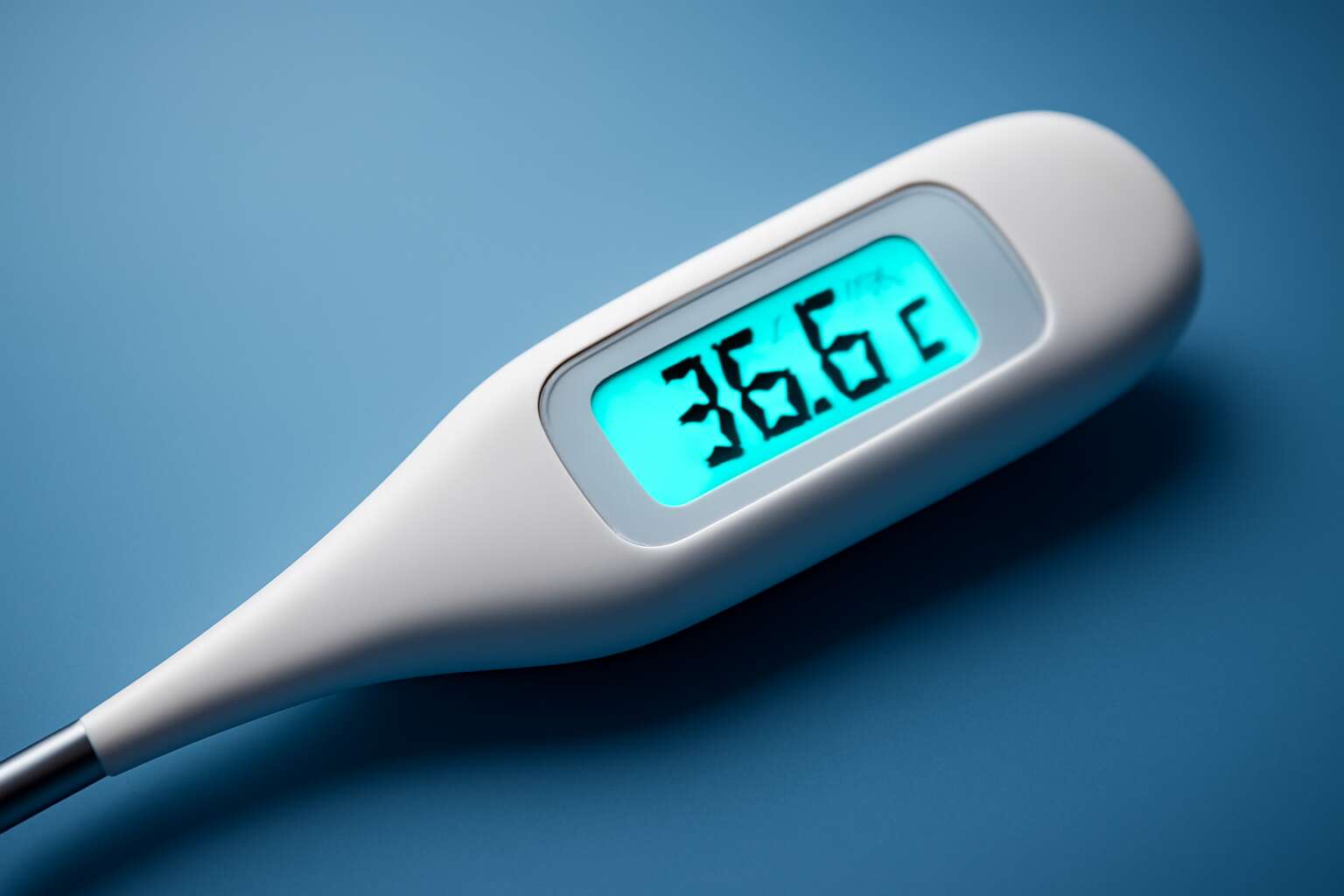
Understanding Thermometer Functionality and Core Principles
What constitutes a thermometer’s role
Temperature writes its own language; even a single degree can tilt decisions. The thermometer function is more than a gadget—it is a quiet navigator in South African homes, clinics, and farms, translating heat into trusted information. From fever checks to food safety and equipment maintenance, accurate readings shape outcomes without fanfare.
Core principles underpin each reading. The following principles guide a reliable result:
- Accuracy and calibration anchor trust; regular checks align readings with known standards.
- Response time and sensor quality determine how quickly a measurement becomes meaningful.
- Placement, contact, and context influence the numbers seen on display.
- Environmental factors such as ambient temperature and airflow can subtly shift the result.
When these elements align, everyday measurement becomes a practice of care—calm, precise, and context-aware, revealing how technology meets human judgment.
Core components enabling temperature sensing
Across South Africa’s clinics, homes, and farms, thermometer function quiets the drama of heat into dependable signals. A single degree can tilt triage and safety choices, turning speculation into policy in a heartbeat. Readings emerge as a dialogue between material warmth and human judgment, a small instrument whose precision echoes through every decision.
Understanding its functionality means tracing a quiet chain from sensing element to display. The core components enabling temperature sensing are:
- Sensor element (thermistor, RTD, or thermocouple)
- Signal conditioning and amplification
- Calibration references and firmware
- Display, power, and protective housing
Placement, contact, and environment shape what the digits reveal; even the best device seeks a calm setting to stay trustworthy. When care guides where and how it sits, the instrument becomes a bridge between heat’s rough truth and precise action!
Key performance indicators: accuracy, response time, and drift
Across South Africa’s clinics, homes, and farms, a single degree can tilt triage and safety, turning guesswork into policy in moments. The thermometer function hums in the background, yet its quiet verdict governs life as surely as a heartbeat. “One degree can shift outcomes in minutes,” a nurse once told me, and the line sticks!
Understanding thermometer function means weighing three core principles: accuracy, response time, and drift.
- Accuracy: closeness to the true temperature
- Response time: speed to a stable reading
- Drift: gradual deviation over time
In quiet moments, the digits decide what care can follow. Placement, contact, and environment shape what the numbers reveal, and even the finest thermometer function seeks a calm setting to stay trustworthy.
Calibration, resolution, and measurement range basics
Across South Africa, a single degree can tilt triage in moments. The thermometer function is the quiet judge, turning numbers into life-saving decisions with the calm of a heartbeat. ‘One degree changes outcomes fast!’ a nurse whispered, and that truth echoes through every reading.
Understanding thermometer function fundamentals means embracing three pillars that shape every reading: calibration, resolution, and measurement range. Calibration aligns readings with trusted standards to counter drift; resolution defines the smallest detectable change; and measurement range marks the span the device can report.
- Calibration: aligns readings to standards.
- Resolution: smallest detectable change.
- Measurement range: usable temperature span.
Placed in the right light and still air, the thermometer function reveals its truth. Placement, contact, and environment shape what the numbers disclose, inviting care and consistency into every reading.
Types of Thermometer Technologies and How They Implement the Function
Digital thermometers and thermistor sensors
Across South Africa, rapid, accurate readings shape decisions in clinics and homes. In SA clinics, 8 in 10 report faster triage with digital readouts. The thermometer function is the quiet engine behind every readout, turning heat into numbers you can trust. In this landscape, two common technologies stand out for implementing the function.
- Digital thermometers: convert temperature signals into a clear digital readout using a tiny processor.
- Thermistor sensors: rely on resistance changes to produce precise, stable numbers on a display.
Digital devices pair simple sensors with smart processing, filtering out noise and delivering quick, dependable numbers. Thermistor sensors are compact and rugged, a favorite in field kits and clinics. Together, they keep the readout reliable, adapting to environments across South Africa.
Mercury and alcohol-based thermometers: classic operation
In the bustle of South Africa’s clinics and homes, from crowded townships to quiet veld clinics, the thermometer function is a quiet engine, turning warmth into numbers you can trust. A single, stable reading can calm a waiting room and steer decisions with confidence in minutes.
Two classics carry this function forward in everyday practice:
- Mercury-based thermometers: A slender glass tube houses liquid mercury that expands with heat, moving the scale in precise, linear steps.
- Alcohol-based thermometers: Dyed alcohol expands as temperatures rise, offering a safer, equally readable alternative for clinics and homes alike.
In rugged South African settings, these traditional thermometers still stand tall, proving that simple physics can endure dust, heat, and bustle while maintaining the thermometer function.
Infrared and non-contact sensors: rapid readings
Across South Africa’s clinics and homes, rapid readings can cut triage queues by up to 40%, turning a tense moment into clarity. The thermometer function has evolved from a steady dial to intelligent sensing.
Infrared and non-contact sensors implement this function by measuring heat signatures without touching skin. Infrared thermometers read heat, translate energy to a temperature, and deliver a number in seconds.
- Infrared (IR) thermometers deliver rapid, non-contact readings suitable for screening crowds.
- Non-contact sensors keep hygiene high in high-traffic environments.
In the field, I’ve watched how a quick reading moves patients through a busy queue.
These technologies endure dust and heat, remaining reliable when every second counts.
Industrial RTD and thermocouple sensors: robustness in harsh environments
Across clinics and factories, the thermometer function is realized through two rugged champions: Industrial RTD and thermocouple sensors. RTDs deliver steady, repeatable readings with superb stability, even as dust and heat swirl around the instrument. Thermocouples excel at high and rapidly changing temperatures, snapping measurements in milliseconds. In South Africa’s demanding environments, these sensors endure vibration and grime, preserving reliability where seconds count.
Industrial RTD and thermocouple sensors implement the function in distinct, complementary ways:
- RTD sensors offer exceptional precision and long-term stability, ideal for controlled environments.
- Thermocouples tolerate extreme temperatures and quick shifts, with rugged construction that shrugs off dust and vibration.
- Both architectures feed dependable readings into compact digital interfaces for practical, on-the-spot decisions.
In practice, choosing between them hinges on range, speed, and environment. In South Africa’s diverse sectors—from mining to healthcare—robustness and reliability trump novelty, ensuring the thermometer function remains a quiet constant in critical moments.
Applications Across Industries to Leverage Thermometer Functionality
Healthcare and clinical settings
Across South Africa, fever-screening checkpoints at clinics and hospitals have surged by roughly 30% in the past year, illustrating how thermometer function has become a frontline tool in patient assessment. In healthcare and clinical settings, accurate temperature data informs triage, isolation decisions, and real-time monitoring. From crowded urban centres to remote rural posts, I’ve watched this capability help clinicians read a patient’s story in a single, telling number.
- Triage and fever screening in emergency departments and clinics
- Continuous monitoring in wards and ICUs to spot fever curves
- Home-based and community health visits using portable devices
- Mobile clinics in rural areas to extend reach
Across SA’s public health landscape, temperature readings gathered through portable devices enable data-driven outreach, remote triage, and efficient follow-up—preserving dignity and care in resource-limited settings!
Food safety and kitchen operations
In fast-paced South African kitchens, a precise reading can spare a hundred meals from waste and protect diners alike—a small number that carries big consequences. The thermometer function becomes a quiet sentinel, guarding flavor, safety, and reputations as it guides grilling, poaching, and chilling operations.
- Hot-holding checks to maintain safe service temperatures
- Internal temperature checks for poultry, beef, and fish
- Cold-chain monitoring for dairy, sauces, and prepared dishes
Across South Africa’s diverse kitchens, reliable thermometer function practice underpins food safety, client trust, and culinary excellence.
Manufacturing and process control
Across the manufacturing floor, the thermometer function is the unglamorous hero that keeps lines humming and waste at bay. A mere 1°C drift can derail a batch and erode trust faster than a rogue spreadsheet. In high-throughput environments, precision here is not a nicety but a requirement, a quiet conductor translating heat into repeatable outcomes from furnaces to pasteurizers.
Across industries, these steady readings unlock efficiency and compliance. Consider these use-cases:
- Pharmaceuticals and biotech: tight temperature corridors safeguard potency and stability.
- Automotive coatings and metals processing: precise cure cycles yield gloss, adhesion, and structural integrity.
- HVAC, data centers, and energy facilities: consistent ambient control minimizes energy use and equipment stress.
- Agriculture and horticulture: greenhouse environments rely on accurate monitoring for yields and plant health.
From batch to batch, this function translates sensing into confidence, shaping quality, sustainability, and reputation across industries.
Environmental monitoring and climate research
Precision never felt so heroic. The thermometer function isn’t flashy, but it’s the quiet backbone on South Africa’s farms, labs, and energy sites, turning heat into trustworthy data you can bet your audit trail on. In environmental monitoring and climate research, tiny readings drive big decisions, from drought forecasts to biodiversity assessments. Across the spectrum, accuracy keeps datasets honest and results reproducible.
- Meteorological stations recording ambient and soil temperatures across SA’s diverse landscapes
- Field research in ecosystems, tracking microclimates for species distribution
- Greenhouses and irrigation projects boosting yields in vineyards and citrus orchards
Across these domains, steady readings translate sensing into confidence, supporting sustainability and reputation for organizations that prize reliability.
Optimizing Accuracy, Reliability, and Maintenance of Temperature Sensing
Calibration techniques and schedules
Across South Africa’s labs and factories, a small drift in reading can echo through production lines. The thermometer function hinges on stable baselines, and calibration keeps the signal trustworthy. It’s the quiet engine behind every reliable reading!
Calibration techniques blend drift detection with traceability. Use NMISA-traceable references where possible, perform cross-checks, and track environmental conditions. Flexible maintenance schedules respond to usage and critical applications.
- Traceability to NMISA or equivalent standards
- Environmental control to minimise heat-transfer errors
- Routine drift monitoring and stability checks
- Comprehensive calibration documentation and records
Done right, calibration reduces downtime and keeps safety and quality on track.
Choosing the right sensor type and temperature range
Across South Africa’s manufacturing floors, a recent industry audit found up to 20% of production halts trace to sensing drift. The thermometer function is rarely flashy, yet it decides throughput, safety, and waste. Choosing the right sensor type and temperature range isn’t a cosmetic choice; it’s a commitment to reliability under pressure. A well-matched sensor weatheres heat, moisture, and routine wear while keeping readings honest as the line hums through shifts.
To optimize accuracy, reliability, and maintenance, consider these criteria:
- Environmental exposure and protection
- Temperature span and precision needs
- Reading speed and ruggedness
- System integration and data integrity
Together, these choices anchor the thermometer function in daily practice.
Error handling and troubleshooting common issues
On South Africa’s factory floors, a 0.5°C drift can trim output by about 3%. The thermometer function quietly bears that risk, yet it is essential for throughput and safety. Readings you can trust keep processes aligned and waste in check!
Error handling hinges on seeing drift as a signal, not a failure. Typical culprits include environmental moisture, electrical noise, grounding issues, or gaps in calibration history. When a discrepancy surfaces, look for concurrent data flags, sensor saturation, and stalled response times.
- Drift and hysteresis
- Signal noise and grounding
- Moisture ingress
- Calibration history gaps
Smart monitoring and data integrity are your allies. Choose systems with robust shielding, reliable data logging, and clear diagnostics so accuracy stays honest across shifts.
Maintenance tips and sensor replacement guidance
Across South Africa’s manufacturing floors, the thermometer function earns its keep where visibility and speed matter. A small drift can cascade into wasted energy and stalled lines, so reliability hinges on robust sensors and timely maintenance. Clean enclosures, shielded wiring, and grounded layouts keep readings trustworthy as shifts roll in and out.
To optimize accuracy, implement a maintenance rhythm that blends routine checks with rapid sensor replacements. When a unit nears the end of its life, swap in a calibrated spare and log the change for traceability.
- Schedule regular calibration checks and verify environmental conditions (humidity, heat, and dust)
- Use sensors rated for your process temperature range and industrial environment
- Maintain simple, tool-free connections to reduce downtime during replacement
- Record serial numbers, batch data, and drift trends for ongoing QA


0 Comments