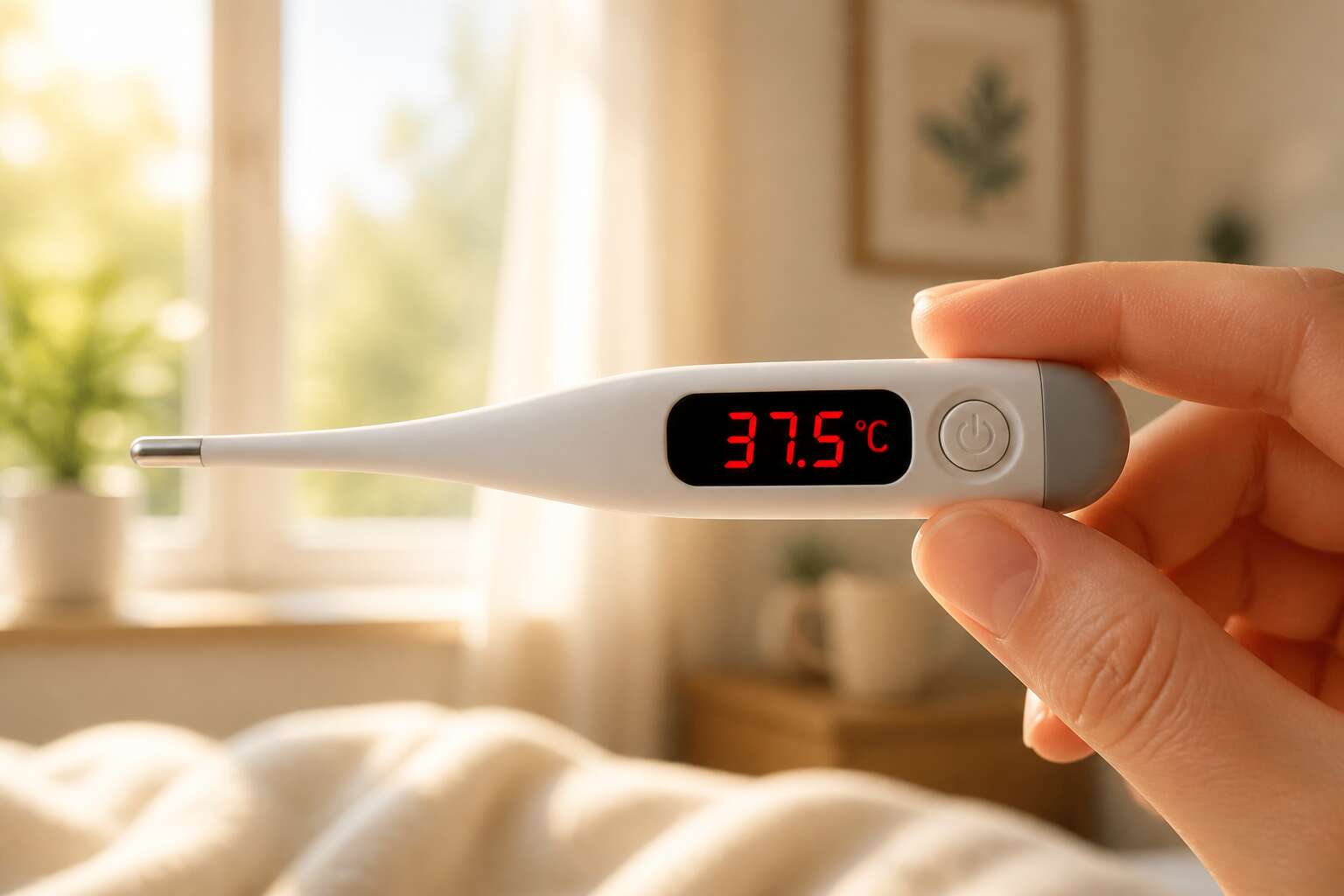
Understanding Temperature Measurement
Imagine trying to bake a perfect loaf of bread while blindfolded. That is precisely how most of us navigate our daily temperatures, relying on vague feelings instead of precise numbers. Our skin is a terrible judge, easily fooled by a chilly breeze or a warm cup of coffee. A proper thermometer for temperature removes the guesswork, delivering cold, hard facts about the world around us. We need these devices to tell us when the baby has a fever or when the engine is about to overheat.
Your body operates within a narrow range. A few degrees off and you are either shivering under a blanket or sweating through your shirt. The humble thermometer for temperature acts as your personal informant, whispering secrets your nerves cannot decode. It translates thermal energy into a language we can understand. This is not about obsession with numbers, but about gaining control over your environment. When you measure, you can respond. When you guess, you gamble.
Consider the common failures of human perception:
- Metal feels colder than wood, even when both sit at the same temperature.
- Your mouth reads warmer than your fingertip.
- Holding a hot mug makes your whole hand feel scorched.
These sensory illusions vanish when a calibrated instrument steps in. It ignores your nerves and reports the truth. So, the next time you touch something and wonder, grab a reliable thermometer for temperature and let the device settle the argument. It is a small tool for a surprisingly complex question, and it rarely lies. Perception is fleeting, but measurement endures.
Types of Thermometers for Different Applications
Every workshop and clinic depends on accurate readings. In South Africa you face humid Durban skies or the dry Karoo sun, so the right thermometer for temperature matters before you touch any surface. I have learned that matching the instrument to the sample is half the battle.
- Immersion probes with a digital thermometer for temperature handle hot oils, batters, and industrial fluid baths.
- Infrared units read from a distance, which suits moving machinery that you cannot approach safely.
- Mercury glass models remain dependable inside clean laboratories, fresh and uncomplicated.
Each design changes its own limits. A probe that works for molten sugar will fail against a turbine shaft. Choose the item that measures your material, not the one that looks impressive on the shelf.
How to Choose the Right Thermometer for Temperature
A thermometer for temperature seems straightforward, yet the wrong choice can cost you time and cash. South Africa’s climate ranges from the dry Karoo to humid Durban, so your environment dictates the design. I have seen too many people buy a cheap outdoor unit for a brewery and watch it fail within weeks.
Start with the sensor type. Digital probes offer speed and precision, while infrared models suit moving objects or unsafe surfaces. If you need continuous logging, look for a waterproof casing and a decent battery life.
- Check the operating range against your worst-case conditions.
- Verify calibration certificates for laboratory or industrial work.
- Confirm the response time matters for your process.
Match the device to the application, not the price tag. A reliable thermometer for temperature in a bakery differs from one used in a cold chain truck, so think about real-world handling first.
Best Practices for Using and Maintaining Thermometers
Applications and Industries Relying on Accurate Temperature Measurement
South Africa loses roughly 10 million tonnes of food each year, and a large share of that waste traces back to broken temperature control. A thermometer for temperature is essential in cold chains, breweries, and pharmaceutical storage. One degree of drift can spoil a batch of milk or render a vaccine useless.
The mining industry relies on similar precision. Underground heat stress is a real hazard, and ventilation systems depend on accurate readings to keep workers safe.
Common applications include:
- Monitoring cold storage for perishable exports
- Calibrating industrial ovens and kilns
- Verifying laboratory incubator conditions
These industries do not measure temperature for curiosity. They measure to protect revenue, health, and lives.

0 Comments