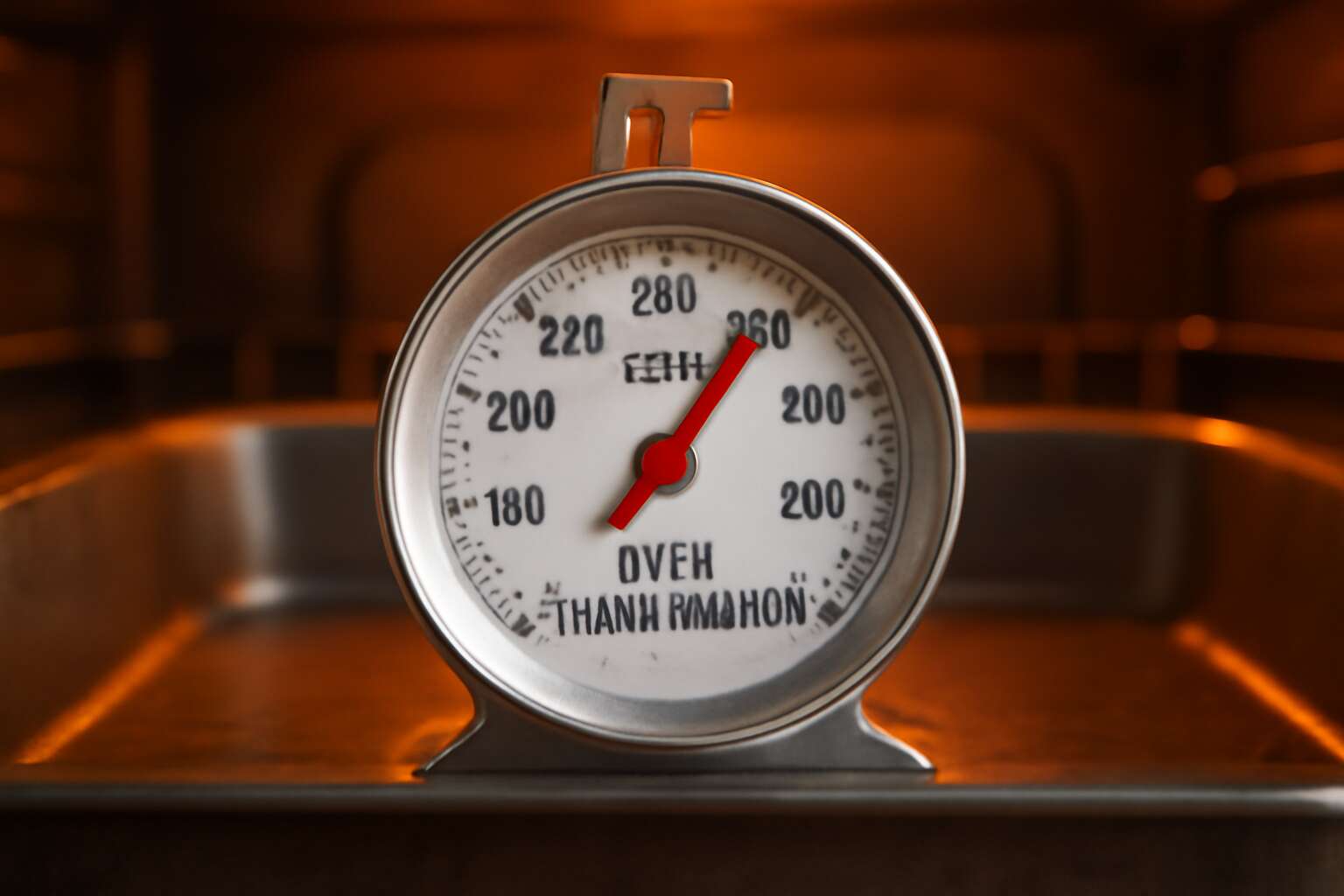
Choosing the right oven temperature probe
Digital vs analog: which type suits your kitchen
In South Africa’s kitchens, precision is a quiet revolution. A recent survey finds nearly one in three home cooks miss target temps without a reliable oven thermometer.
Digital temperature probes deliver fast readings and programmable alerts, perfect for busy weeknights. Analog temperature dials feel timeless, but they drift with heat and grow less trustworthy over time.
Consider these nuances when weighing your option:
- Response time and accuracy
- Durability in hot South African kitchens
- Calibration ease and probe replacement
Ultimately, the right choice mirrors pace and palate. Digital offers clarity in a bustling home, while analog rewards the patient cook with tactile honesty and lasting simplicity.
Probe length, material, and dial size considerations
In South Africa’s kitchens, timing is a quiet revolution; nearly one in three home cooks miss target temps until an oven thermometer speaks the truth.
Probe length matters: extend to reach the dish’s heart without brushing bone or racks, especially in taller ovens. Aim for 15–25 cm (6–10 in) of stainless steel.
Material matters for heat, corrosion, and easy cleaning. Stainless steel probes with a food-grade sheath resist SA oven heat and steam, while flexible cables prevent kinks that skew readings.
Dial size changes how quickly you read a number. A large dial offers fast clarity; a compact dial fits tight spaces. If you lean digital, ensure the display stays bright.
- Length guidelines align with dish size and oven clearance
- Durable, food-grade materials for easy cleaning
- Readable dial or bright digital display for quick checks
Recommended temperature ranges for common dishes
South Africa’s kitchens hum with the comfort of a Sunday roast, yet nearly one in three home cooks miss target temps until an oven thermometer speaks the truth. When that happens, confidence settles over the simmer and sizzle. The right tool becomes more than a gadget—it is a quiet witness in a busy home, turning guesswork into measurements you can trust.
Here are practical ranges for common dishes relied on across SA. Roast chicken: 190–200°C; Beef roast: 165–175°C; Pork loin: 180–190°C; Salmon: 180–200°C; Cookies: 170–190°C. An oven thermometer keeps readings honest and your timing steadier in the heat of the day.
Truth in temperature translates to stories at the table—the crust crackles, the inside stays juicy, and every family meal carries a little more warmth because the dial finally speaks the same language as the heart.
How to read a temperature probe accurately
In bustling SA kitchens, the oven thermometer is more than a gadget; it’s a quiet witness to Sunday roast triumphs and improvisations alike. The right temperature probe offers accuracy that turns guesswork into calm, reliable heat. When choosing, look for rugged construction, a readable display, and a response that keeps up with the pace of a busy day!
Reading accurately with an oven thermometer means letting the sensor settle and comparing what it shows to the dish’s finish rather than the oven knob. Position matters: aim for the thickest part of the meat or the center of the loaf, away from bone, pan edges, or vents that skew reading.
A well-maintained oven thermometer drifts less over time, preserving trust when timing grows louder than the clock.
With a dependable tool in the kitchen, every sizzling moment becomes legible and the room holds a little longer for warmth and shared stories.
Brands and price ranges to consider
Choosing the right oven temperature probe is less about flashy gadgets and more about consistent heat. In bustling South African kitchens, a dependable oven thermometer becomes a quiet ally that keeps Sunday roasts honest. Brands like ThermoPro, Lavatools, CDN, and Taylor offer range-wide options, while price mirrors readiness to endure busy shifts and the occasional kitchen drama!
- Under R250 — basic dial models with simple displays suitable for casual cooks.
- R250–R600 — sturdier mid-range digital readouts and better probes for steady performance.
- R600–R1200 — premium digital models with backlit displays and fast response.
- Over R1200 — professional-grade options, multiple probes, and robust housings for constant use.
The choice reflects your kitchen rhythm and budget. With the right oven thermometer, heat becomes legible and the room stays warm for stories that outlast the roast.
Understanding temperature accuracy and calibration
Why accuracy matters in home cooking
From Johannesburg to the coast, our kitchens deserve competence, not drama. An accurate oven thermometer stops a Sunday roast from pretending to be something it isn’t. In fact, surveys show a slice of households contend with temperature drift that turns crisp edges into tepid disappointment. The promise of even heat isn’t trivial—it saves flavour, time, and the dinner table’s nerve.
Why accuracy matters: it guides timing, preserves moisture, and keeps food safe. A few degrees can push a cake from fudgy to sunken, a steak from seared to chewy. In everyday cooking, precision is a quiet ally, reducing waste and reputational risk in the kitchen theatre.
Calibration, in essence, is honesty between probe and oven. Over cycles of heat, thermometers drift; the only true standard is alignment with a reliable reference. Keep faith with your equipment and your palate—the result is dependable results, even when guests arrive with skeptical smiles.
Calibration methods for at-home use
Across South Africa, kitchens hum with family warmth and the stubborn heat of older ovens. An accurate oven thermometer is the quiet ally behind a perfect Sunday roast or a braai-friendly bake. A recent survey found that a notable slice of homes wrestles with temperature drift, turning crisp edges into tepid disappointment and leaving flavour struggling to reach its full voice. Precision matters, especially when time is tight and guests arrive with smiling skepticism.
Understanding temperature accuracy means recognizing that every degree matters. The goal is reliability—timing, moisture, and safety all depend on true heat. Calibration is the honest chat between probe and oven, and over cycles of heating, drift can creep in. Consider a few at-home calibration ideas:
- Ice-water method to check near freezing without heavy gear
- Boiling-water method to verify at 100 C under sea-level assumptions
- Using a trusted reference thermometer to spot drift over time
Calibrating at home is less a ritual and more a courtesy to your palate. After a relocation, seasonal change, or a service, a quick comparison helps recalibrate and keep meals trustworthy—without drama.
Common sources of error and how to avoid them
In South Africa, a recent survey finds one in three homes wrestle with oven heat accuracy. An oven thermometer is the quiet ally behind a perfect Sunday roast, a braai-friendly bake, and the patience of hungry guests!
Understanding temperature accuracy means every degree matters. Calibration is an ongoing conversation between oven and thermometer; drift hides in the shadows after relocations, seasonal shifts, or a service.
Common sources of error include:
- Temperature drift over heating cycles
- Heat loss from door seals and drafts
- Probe placement and air currents affecting readings
A trusted reference thermometer can help spot drift over time. Recognizing these factors helps readers trust their oven thermometer as a reliable ally in every kitchen.
Traceability and standards (NIST, etc.)
In South Africa, one in three homes wrestle with oven heat accuracy, a statistic that punctuates every kitchen moment with possibility and peril. Understanding temperature accuracy means more than numbers; calibration is a dialogue between oven and thermometer. Drift sneaks in after relocations, seasonal shifts, or a service, and the wrong reading can ruin your Sunday roast before it begins. An oven thermometer acts as the quiet sentinel, revealing misreadings that can make the difference between perfect crusts and undercooked centers.
Traceability and standards anchor trust. Calibrations tied to national standards—NIST in the United States, ISO/IEC 17025–accredited labs around the world—provide a credible ladder of accuracy. A trusted reference thermometer with NIST-traceable data lets you spot drift over time and keeps kitchen decisions precise.
Using your oven-safe thermometer effectively
Step-by-step usage for baking, roasting, and broiling
Heat crouches in the kitchen like a shadow in a cathedral, yet a steadfast guide remains: the oven thermometer. In South Africa’s palimpsest of kitchens, precision isn’t optional—it’s survival, turning molten chaos into a measured, satisfying meal. I hear the dial hum and trust its truth!
- Bake: Slip the probe into the thickest portion, away from bone or crust; close the door and watch the indicator until the internal target gleams to life.
- Roast: Retain the probe for mid-sized cuts, maintain a steady oven pace, and acknowledge hot spots as the demon within the heat!
- Broil: In the final minute, keep the probe near the top and check that the surface browns without surrendering the center.
From there, let the numbers guide you; wipe the probe clean after use and store it in a dry place, so the next bake remains precise and dignified.
Placement and air flow considerations
In a Cape Town kitchen, heat hums like a distant drum, and one instrument decides the outcome: the oven thermometer. Its steady whisper turns molten chaos into measured certainty, a quiet ally in a world of flame.
Placement and airflow matter more than clever tricks; bring the probe to the heart of the action without crowding. Readings stay true when drafts are avoided, fans accounted for, and air can circulate around the tray.
- Awareness of air movement within the oven and how it shapes readings.
- Consideration of the dish’s form and how it interacts with heat.
- Harmony between probe and the oven’s temperament for a steadier reading.
With care, the numbers become a compass, guiding every bake, roast, and broil toward predictability and poise.
Temperature targets by recipe type
In SA kitchens, 9 out of 10 bakers admit their oven can surprise them—until the oven thermometer is on the job. That small instrument is the hinge between volatile heat and steady sweetness, a trusted neighbor in a Cape Town kitchen.
Used effectively, the thermometer becomes a compass. For different recipe types, targets vary: roasts and meats around 160–180°C, poultry 165–175°C, cookies 175–190°C, and bread and pastry 200–230°C. Reading the thermometer helps you reject guesswork when the oven sighs or a dish rests.
Avoiding hot spots and how to test your oven’s accuracy
Three in five SA bakers confess their ovens hide secrets until the oven thermometer speaks. In a Cape Town kitchen, where the sea air meets ash and ambition, the gauge becomes the hinge between volatile heat and steady sweetness.
Used effectively, the oven thermometer becomes a compass, guiding roasts, poultry, and pastries toward true intent. It helps the rhythm of the oven settle, so flavor and texture exceed guesswork when the night grows quiet.
Hot spots threaten with uneven browning, a shadowed unevenness that can ruin a dish. The oven thermometer gives a single, honest voice that helps you read the room and chase balance.
Testing the oven’s fidelity is a ritual of patience: observe how the oven thermometer readings align with what you expect as the cycle ends. When readings harmonize with your targets, the kitchen feels almost supernatural.
Care, maintenance, and longevity
Cleaning and storage tips
Your oven thermometer is a quiet workhorse in the kitchen, and with a touch of care it will outlast flashier gadgets. In my tests, roasts miss their mark when a thermometer isn’t dried after glazing or left near steam. Proper cleaning and a dry, sheltered spot keep readings steady and the device reliable for years.
Cleaning and maintenance matter more than they sound. Wipe the probe with a soft cloth after use, and avoid soaking the dial or sensor. If sugar or oil sticks, a damp cloth with a touch of mild soap works well.
- Wipe and dry after use
- Avoid harsh detergents
- Store in a dry, cool place
Longevity follows simple rules: keep it dry, away from heat, and out of steamy drawers. A dedicated kitchen spot makes it easier to grab before every bake, and the oven thermometer stays accurate, beyond bargain-shelf fads.
Battery replacement and sensor care
In the hush of a South African kitchen, I’ve learned a single statistic can haunt the roasting pan: nearly one in three roasts misses its mark when heat outpaces the thermometer. An oven thermometer stands as a quiet sentinel, guiding the flame toward truth.
Care and maintenance temper time’s cruelty. For digital models, battery health is the sly gatekeeper; when readings wander, consider a proper replacement. Sensor guards mean keeping contacts dry and away from sugar or oil that could corrode their silent watch.
Longevity depends on a sanctuary of dryness and distance from heat—store it in a cool, shadowed corner, away from steam and sizzling drawers. A dedicated kitchen perch makes it a ritual ally before every bake, preserving accuracy for years. The oven thermometer stays accurate for years.
When to replace vs repair
In South Africa’s kitchens, nearly one in three roasts misses its mark when heat outpaces the oven thermometer. The oven thermometer stands as a quiet sentinel, turning uncertainty into measured truth.
Care and maintenance keep this sentinel vigilant. For digital models, battery health matters; when readings wander, replace the battery. Keep sensor contacts dry and away from sugar or oil that could corrode their silent watch. Store in a cool, shadowed corner.
Longevity hinges on dryness and distance from heat. When to replace vs repair becomes clear: persistent drift or a cracked housing usually signals replacement rather than repair.
- Keep it dry after use
- Choose a stable, shadowed perch
- Inspect for corrosion or damage
Protection against thermal shock and moisture
In South Africa’s kitchens, nearly one in three roasts miss the mark when heat outruns the oven thermometer. This quiet sentinel turns uncertainty into measured truth, guiding braais and Sunday roasts with calm discipline!
Care and maintenance keep it vigilant. After each use, dry thoroughly, and shield the sensor from sugar and oil that could corrode its watchful contacts.
- Keep it dry after use
- Choose a stable, shadowed perch
- Inspect for corrosion or damage
Longevity hinges on dryness and distance from heat. Protect against thermal shock by avoiding rapid temperature changes; allow the oven to preheat and cool slowly around the device. Keep the unit dry, store in a cool, shaded corner, and periodically inspect seals and housing for signs of wear.

0 Comments