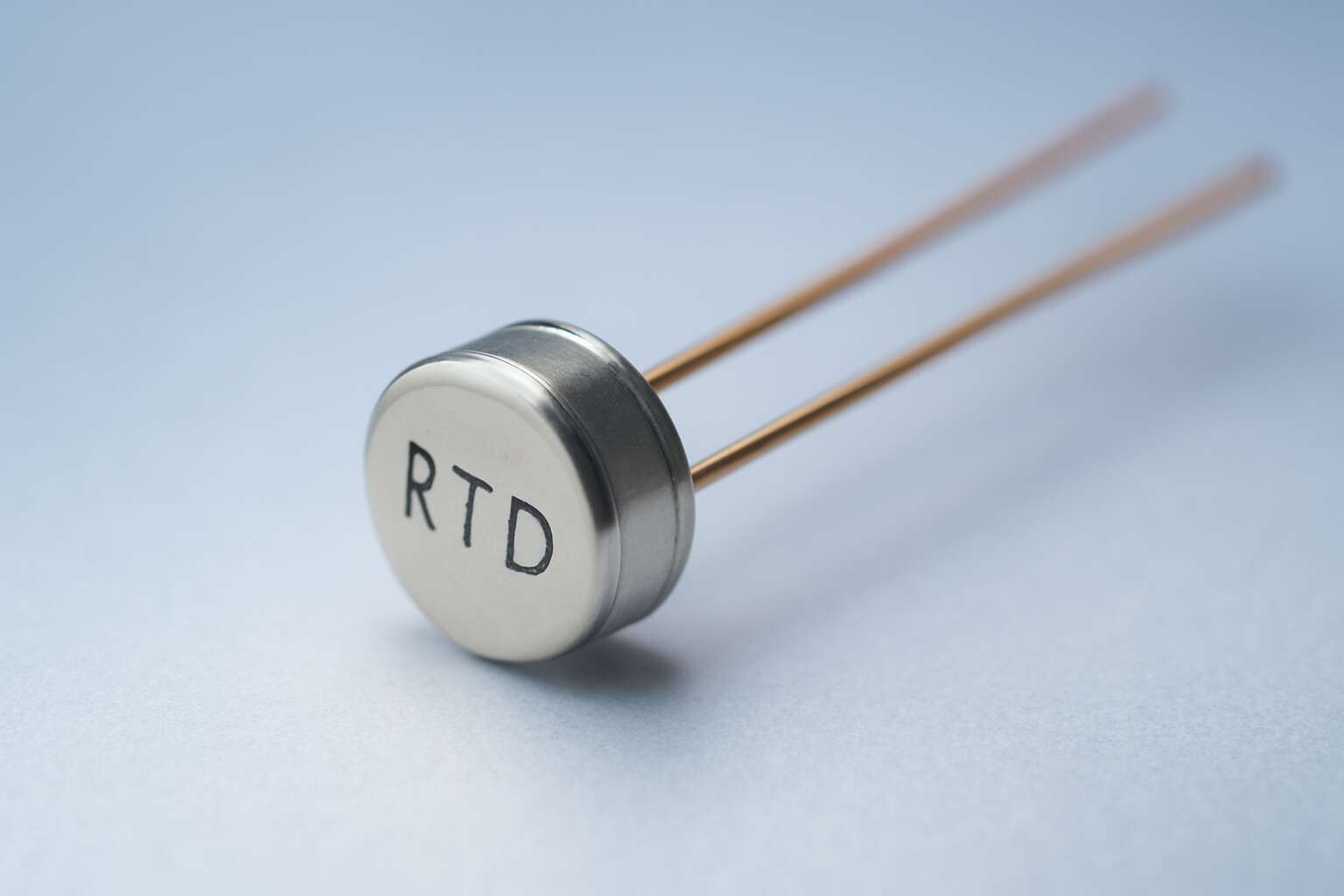
Understanding thermometer sensing elements
What is a thermometer sensing element and how it works
In South Africa’s laboratories and kitchens, accuracy can tilt decisions with drift as small as 0.5°C, making the thermometer element a silent but decisive guardian. It is the sensory heart of a device, translating subtle heat into a readable signal that marries science with everyday life.
How does it work? Different materials respond to temperature in distinct ways: some change resistance, others generate tiny voltages, and a few bend or expand just enough to register a change. These reactions are then read by the instrument’s electronics, yielding reliable measurements even in dusty workshops or sunlit field sites.
Common families include:
- thermocouples
- RTDs (resistance temperature detectors)
- thermistors
From clinics to foundries, a well-chosen thermometer element underpins confidence and smooth operation, turning raw heat into trustworthy data that guides decisions with quiet authority!
Key components of a sensing element in thermometers
The thermometer element is more than metal and glass; it’s the quiet steward of temperature in every instrument. In a busy South Africa lab or kitchen, accuracy hinges on this tiny core. It translates heat into a dependable signal, guiding careful decisions.
Understanding the architecture helps demystify performance. Here are the core components that keep it reliable across laboratories and kitchens:
- Sensing material: the active layer that responds to temperature
- Electrical connections: tiny leads that carry signals to the readout
- Thermal interface: bonding that ensures efficient heat transfer
- Encapsulation: protective housing that resists dust and humidity
With these parts in harmony, the thermometer element preserves accuracy even in glare or dust, turning subtle warmth into clear, trustworthy data.
Common structures including RTD, thermistor, thermocouple, and bimetal options
Across South Africa’s labs, tiny temperature shifts can tilt decisions by up to 20%. The thermometer element isn’t just a sensor—it’s the steady heartbeat of every reading, translating warmth into reliable data.
Understanding thermometer sensing elements reveals the craft behind that reliability. The common structures you’ll encounter include RTD, thermistor, thermocouple, and bimetal.
- RTD: pure metal path; high stability.
- Thermistor: ceramic resistance; fast in a narrow range.
- Thermocouple: two metals; wide range, rugged.
- Bimetal: metal strip; no electronics.
Each option tunes the sensing element for different environments, from sunlit lab benches to bustling kitchen counters, turning subtle warmth into clear, trustworthy data.
The role of the sensing element in measurement accuracy
Across South Africa’s labs, a mere 0.1°C drift can tilt decisions by as much as 20%—and that’s not hype, that’s the reality you live with. The thermometer element is the heartbeat of every reading, translating warmth into data you can trust. In measurement accuracy, the sensing element’s material path and design determine drift, stability, and how quickly a reading settles.
- Temperature response time
- Thermal mass and self-heating
- Electrical noise and drift
- Environmental exposure and corrosion resistance
Different structures—RTD, thermistor, thermocouple, or bimetal—offer varying trade-offs for labs, kitchens, and fieldwork. The thermometer element’s character shapes not just accuracy, but how reliably results map warmth to numbers across South Africa’s diverse environments.
Types of thermometer sensing elements
Resistance-based sensing elements examples like RTDs and thermistors
Every sector that relies on precise temperature control faces the same truth: a small measurement error can cascade into costly downtime. In practice, a 0.5°C shift can tilt material properties, recipe accuracy, and yield. A robust thermometer element hinges on resistance-based sensing elements that deliver stable, repeatable readings under SA’s varied industrial environments. RTDs and thermistors are prime examples, prized for linearity, sensitivity, and ruggedness in the field.
Within the resistance-based family, common forms include:
- RTDs (platinum Pt100/PT1000, wire-wound or thin-film construction)
- Thermistors (NTC and PTC varieties, offering high sensitivity and fast response)
- Foil and film resistive sensors designed for compact probes
These configurations endure in South Africa’s demanding environments, from mining to food processing, ensuring reliable measurement across shifts and seasons.
Thermocouple assemblies and temperature-gradient sensing
In the realm of thermometer element design, thermocouple assemblies shine as the sprinters of temperature sensing. Across SA plants, even a 0.5°C drift can ripple into quality loss and downtime. They translate a temperature gradient—the hot junction against a reference—into a robust electrical signal, delivering fast, wide-range readings with rugged resilience.
- Rapid response and broad range from cryogenic to high-heat environments
- Simple, robust junctions of dissimilar metals that withstand vibration
- Long-distance signaling with consistent output for inline processes
As a thermometer element, these assemblies travel from dusty mines to humid processing lines, preserving signal integrity despite vibration and contamination. Temperature-gradient sensing offers spatial insight along a surface, informing more nuanced process control.
Bimetal strip sensors and related technologies
Across SA plants, precision in measurement is a lifeline, not a luxury. Industry insights show 68% of process disruptions trace to sensing drift, reminding us that the thermometer element must stay faithful. Bimetal strip sensors emerge as quiet workhorses, turning heat into movement with simple elegance!
Two metals, bonded for different expansion, form a strip that arches with temperature. This bending drives contacts in a compact package, delivering reliable readings in dusty mines and humid lines. No fragile electronics to fail—just rugged, low-maintenance performance.
- Rugged thermometer element solutions that tolerate vibration
- Low power and cost with simple calibration
- Broad operating ranges for harsh SA environments
Related technologies extend with micro-bimetal elements and thin-film variants, offering flexible options for process control across SA industries.
Choosing the right type for your application
More than two-thirds of process disruptions trace to sensing drift, placing thermometer element at the heart of reliable operations. The right sensing choice isn’t a one-size-fits-all solution; it’s a deliberate trade-off between speed, range, and resilience in tough SA environments.
When choosing for your application, weigh these criteria:
- Operating temperature range and stability
- Response time vs. mechanical ruggedness
- Environmental exposure: dust, humidity, vibration
- Power availability and maintenance needs
In SA industries—from mining to manufacturing—these choices echo in uptime and total cost, ensuring control stays faithful and equipment sings!
Hybrid sensing elements and recent innovations
Across South Africa’s industrial floor, a single thermometer element can lock in uptime and silence costly drift. Hybrid sensing elements fuse the steady, linear feel of RTD cores with the brisk signals of thermocouples, delivering broad range without surrendering sensitivity. They shine in rigs battered by dust, vibration, and sudden temperature swings, offering resilience with a quiet, almost magical assurance.
Practical forms you’ll encounter in the field include:
- RTD-thermocouple hybrids for extended range and stability
- Hybrid optical-thermal elements that marry light and heat sensing
- MEMS-based hybrids with printed electronics for compact, rugged use
Recent innovations push the thermometer element beyond conventional limits. Nano-enhanced coatings reduce hysteresis and drift; fiber-optic hybrids trim response time in dusty zones; and flexible, printed electronics unlock custom shapes for tight spaces in SA mines and mills.
Materials, construction, and durability of sensing elements
Materials used in sensing elements: metals, ceramics, and composites
Africa’s rugged industries prove that precision in a single degree can save margins and lives. The thermometer element sits at the heart of countless devices, and its material makeup determines how faithfully it reads in the harsh sun and cooling night. Materials used in sensing elements span metals, ceramics, and composites, each bringing a distinct strength to the thermometric bridge.
- Metals: superb conductivity, rapid response, and ductility for rugged connectors
- Ceramics: high stability, resistance to oxidation, and excellent thermal endurance
- Composites: tailored stiffness, reduced weight, and resilience against gradients
Construction follows the same disciplined craft that underpins South Africa’s robust engineering ethos: tight seals, micro-sensor geometry, and protective coatings that resist corrosion and moisture. For durability, the thermometer element is designed to tolerate repetitive temperature cycling, vibration, and immersion within safe limits. The result is consistent performance even after years in field conditions.
Construction methods: sheathing, encapsulation, and protective coatings
In the field, the thermometer element must weather sun and frost, dust and vibration. Material choices—metals for speed, ceramics for stability, composites for resilience—shape how faithfully it reads. Construction mirrors South Africa’s craft: tight seals, micro-sensor geometry, and interfaces built to shrug off moisture and oxidation. When these elements join, durability becomes a baseline—an assurance that readings stay steady through years of rugged field conditions.
- Sheathing: a protective outer layer that shields the sensor from dirt, moisture, and impact
- Encapsulation: a controlled micro-environment that guards against chemical effects and temperature gradients
- Protective coatings: corrosion resistance and abrasion protection for long service life
Wrapped in such construction, the thermometer element remains accurate as it cycles through heat and chill, a quiet witness to daily work on farms and in workshops.
Durability under harsh environments: corrosion, pressure, and vibration
In South Africa’s sun-scorched mornings and frost-wrapped evenings, the thermometer element stands as a quiet arbiter of truth. Its task is to translate heat into data, and every cycle writes patience into its heart.
Material choices and construction layers—sheathing, encapsulation, protective coatings—act as a fortress against the field’s four tempests: sun, moisture, dust, and shock. The thermometer element relies on tight seals and micro-sensor geometry to shrug off moisture and oxidation while withstanding small but persistent forces.
- Corrosion resistance for humid coastal air and inland dust storms
- Pressure tolerance for sealed housings and rugged mounts
- Vibration damping to survive transit and machinery chatter
Wrapped in resilient form, it remains faithful through years of rugged field work, a witness to harvests and workshops.
Thermal response time and calibration stability
Across South Africa’s sun-scorched mornings and frost-wrapped evenings, the thermometer element stands as a stealthy sentinel, translating heat into data with quiet resolve. Its material heart—ceramic cores, plated metals, and protective films—corrals performance through countless cycles. From sheathing to encapsulation and coatings, every construction choice forms a fortress against moisture, dust, and shock, while keeping the signal faithful.
Durability hinges on a few core choices:
- Corrosion resistance in humid coastal air and inland dust
- Pressure tolerance for sealed housings and rugged mounts
- Vibration damping for transit and machinery chatter
Thermal response time and calibration stability spring from micro-sensor geometry and thermal mass balance; the goal is a responsive yet stable readout. In South Africa’s fieldwork, the thermometer element becomes a patient observer, revealing trends with minimal lag and steadfast repeatability.
Applications, standards, and quality control for sensing elements
Industrial and medical applications overview
Across South Africa’s clinics and industrial sites, precision in temperature sensing is a quiet, unglamorous backbone. “One degree can determine safety,” a saying that sticks with us, guides every choice of thermometer element—from rugged RTDs to compact thermistors—ensuring steady readings even under pressure.
Standards govern every stage: selection, calibration, and traceability. Our approach aligns with IEC 60751 (RTDs), IEC 60584 (thermocouples), ISO 9001, and ISO 13485. Quality control rests on calibration records and repeatability.
- IEC 60751 for RTDs
- IEC 60584 for thermocouples
- ISO 9001 quality management
- ISO 13485 medical devices
In practice, the thermometer element supports two worlds: rugged plant instrumentation and sensitive medical devices. We design these elements to endure harsh environments; with rigorous calibration and traceability, readings stay trustworthy under pressure, keeping patients safe and processes efficient.
Key standards and regulatory considerations
In South Africa’s clinics and industrial floors, the thermometer element is the unsung guardian of safety and efficiency. It bridges rugged plant instrumentation with delicate medical devices, enduring heat, vibration, and humidity while delivering steady readings. Our designs ensure reliability from field shelves to sterile environments, where one degree can steer life-critical decisions.
Standards shape every choice—from material selection to calibration and traceability. The thermometer element follows IEC 60751 for RTDs, IEC 60584 for thermocouples, and quality-management anchors in ISO 9001 and ISO 13485.
- IEC 60751: RTDs
- IEC 60584: Thermocouples
- ISO 9001: Quality management
- ISO 13485: Medical devices
Quality control rests on meticulous calibration records and repeatability. Traceability to national or international standards ensures every reading is defendable, with documented drift checks and performance verification that keep processes compliant and patients safe, even under pressure.
Quality control tests: calibration, drift, and repeatability
Across South Africa’s clinics and rugged plant floors, precision is a daily wager. One degree can steer life-critical decisions and factory outcomes alike. The thermometer element is built to endure heat, vibration, and humidity, delivering steady readings that bridge field reliability with sterile environments. Standards—from IEC 60751 to ISO 13485—shape every choice.
Applications span medical devices, industrial process control, and remote field installations where rugged reliability matters. Quality in sensing elements rests on well-documented calibration and traceability, with drift monitored over time to prevent subtle shifts from going unseen.
- Calibration quality and traceability
- Drift monitoring and drift verification
- Repeatability across cycles
Quality control records and performance verification ensure every reading is defendable, even under pressure, aligning with national and international standards to keep processes compliant.
Vendor selection and sourcing considerations
In South Africa’s clinics and factory floors, a 0.5 degree shift can tip patient outcomes and production lines alike. The thermometer element must endure heat, vibration, and humidity while delivering steady readings.
Applications span medical devices, industrial control, and remote field installations, where rugged reliability is non-negotiable. The right element aligns with agreed calibration regimes and traceability to national standards, ensuring every reading stands up under audit!
Quality control rests on transparent calibration records, drift verification, and demonstrated repeatability across cycles. Suppliers that document these datapoints provide confidence even under pressure.
When sourcing, prioritize suppliers with robust QA, local support, and clear lead times. Consider these criteria:
- Regulatory compliance and ISO/IEC certifications
- Traceability and calibration history
- Support for regional logistics and warranty
- Consistent supply and batch validation


0 Comments